Japanese Melon Known for Premium Sweetness and Fresh Quality
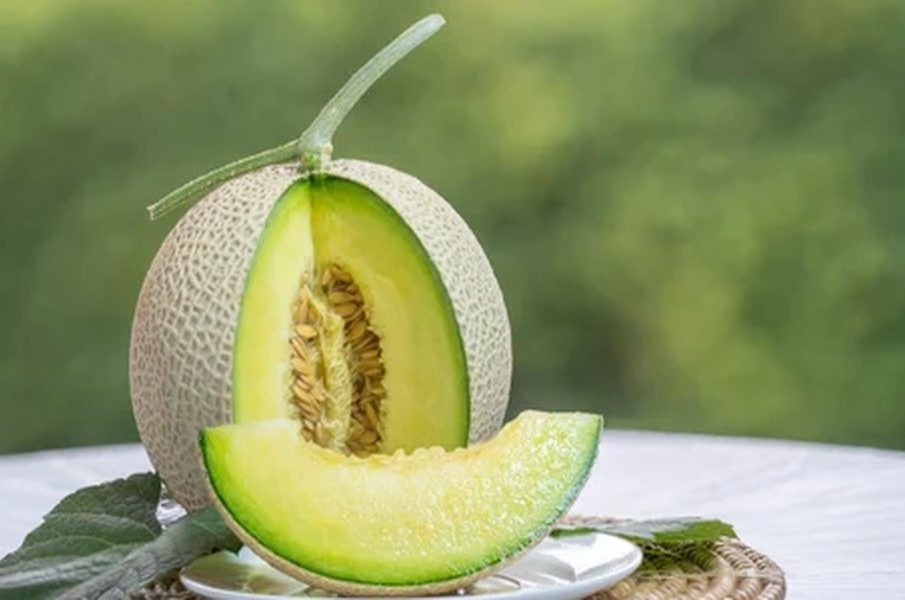
A Japanese melon is not simply a fruit – it is a small, perfumed universe grown with a patience that most commodities never receive, and consumed with a reverence that most food will never command.
The Craft Behind Every Melon
To understand why premium Japanese melons occupy a category entirely their own, you need to understand the growing conditions. In Hokkaido, Japan’s northernmost main island, farmers tend their fruit with an almost surgical focus. Each plant is permitted to bear only one melon. The rest are trimmed away so that every gram of sugar and every molecule of flavour concentrates into a single specimen. The result is a melon that commands prices most groceries would hesitate to charge for an entire basket of produce.
Temperature, soil composition, humidity levels, and sunlight hours are monitored as closely as a pharmaceutical laboratory monitors its compounds. The netting on the skin – a distinctive feature that marks a quality Japanese melon – is not decorative. It forms naturally as the inner flesh swells faster than the outer skin can expand. Finer netting, evenly distributed, signals that growth was steady and conditions were controlled throughout.
Sweetness as a Measuring Standard
The sweetness of a Japanese melon is measured in Brix units, a scale used in the food industry to quantify dissolved sugars. A standard cantaloupe lands between 10 and 12 on this scale. Premium varieties from Japanese farms routinely reach 18 to 22. Some exceptional specimens climb higher still.
This is not the sweetness that coats the mouth and fades. It is a clean, layered flavour with a fragrance that precedes the first bite – a warmth that sits on the palate long after the slice is finished.
“Quality is never an accident. It is always the result of intelligent effort.” – Lee Kuan Yew.
The attention that Japanese growers give to their fruit reflects exactly this kind of deliberate effort. What reaches the consumer is not luck. It is the outcome of careful decisions made at every stage of cultivation.
Why Freshness Changes Everything
A Japanese melon at peak ripeness is a fleeting thing. Unlike produce engineered for shelf durability, these melons are designed for taste, not transport. Once harvested, their window of perfect flavour is narrow. This is why sourcing and supply chain management matter so much in premium fruit retail.
Cold chain logistics, from the moment of harvest to the point of delivery, must remain unbroken. Any lapse in temperature control accelerates ripening unevenly, softening the flesh and dulling the aroma. Reputable suppliers invest heavily in refrigerated transport and precise storage conditions because the product they carry cannot forgive careless handling.
Gifting Culture and the Japanese Melon Tradition
In Japan, premium fruit occupies a distinct cultural role. A Japanese melon is not merely eaten – it is presented. Department stores in Tokyo maintain entire floors dedicated to seasonal fruits packaged in lacquered boxes lined with tissue paper. Business associates, senior colleagues, and family elders receive these gifts at New Year, midsummer, and other significant occasions.
This gifting tradition has extended well beyond Japan’s borders. In Singapore and other parts of Asia with strong cultural ties to Japanese produce, premium Japanese melons serve a similar social function. They communicate respect, discernment, and generosity in a single, fragrant package.
Selecting and Serving for the Best Experience
- Check the netting: finer, more uniform netting indicates premium quality and careful cultivation
- Assess the weight: a melon should feel dense for its size, signalling adequate moisture and sugar development
- Smell the base: a ripe specimen releases a light, sweet fragrance at the stem end
- Store carefully: keep at room temperature until serving, then refrigerate for two hours before cutting
- Slice cleanly: Use a sharp, non-serrated knife to preserve the flesh texture and presentation
The ideal serving temperature for a premium Japanese fruit melon sits around 10 to 12 degrees Celsius – cold enough to enhance sweetness, warm enough to preserve aroma fully.
Understanding the Range of Quality
Not all melons sold under the Japanese label carry equivalent quality. The category includes a range of varieties, harvest regions, and grading standards. Some are grown in greenhouses year-round. Others are strictly seasonal. Grading designations such as A, AA, or gift-grade signal sugar content, weight, and cosmetic quality, though labelling practices vary between suppliers.
For consumers making their first purchase, or buyers sourcing for retail and gifting, understanding these distinctions prevents disappointment and helps match the right product to the right occasion. A competent supplier will clarify these details willingly and without hesitation.
In every important respect, a properly sourced and carefully handled Japanese melon justifies its reputation – not because of luxury branding, but because of the extraordinary effort that goes into growing it right.