The Best Dom Pérignon Vintages and How to Pair Them with Food
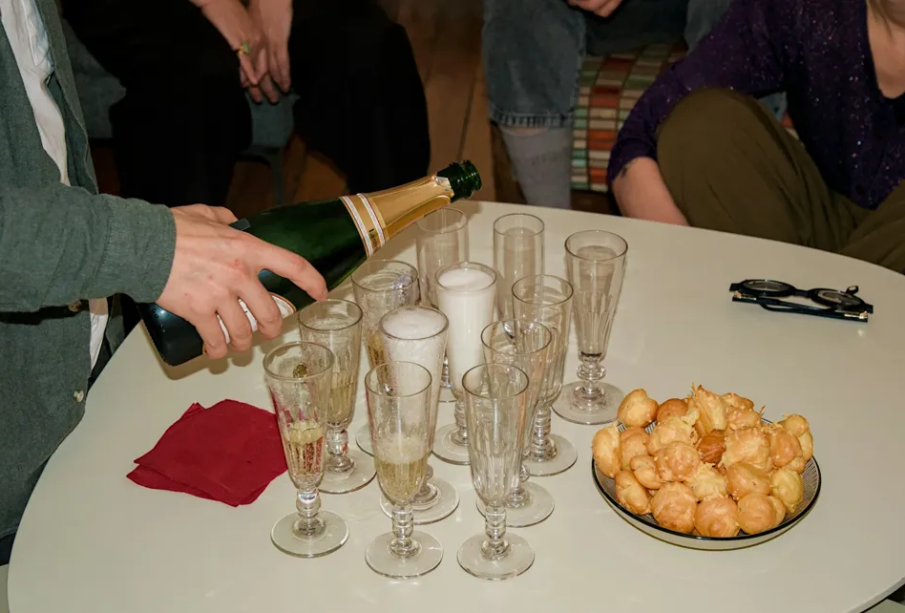
Dom Pérignon is a prestigious brand of vintage champagne produced by Moët & Chandon, named after the Benedictine monk and cellar master Pierre Pérignon. Renowned for its luxurious profile and impeccable craftsmanship, Dom Pérignon represents the epitome of sparkling wine excellence. The best vintages of Dom Pérignon are marked by their complexity, depth of flavor, and remarkable aging potential. Let’s explore some of the standout vintages, their unique characteristics, and ideal pairings.
The Best Dom Pérignon Vintages to Know
For champagne lovers and collectors alike, each Dom Pérignon vintage tells a different story shaped by the climate of that specific year and the vision of the cellar master. If you want to explore the Dom Pérignon champagne collection, understanding the top vintages is a great place to start, as each bottle reflects a unique balance between Chardonnay and Pinot Noir and showcases the house’s signature style of precision and elegance.
Beyond their prestige, what makes these vintages fascinating is how differently they evolve over time. Some vintages are vibrant and mineral, others rich and creamy, and some develop incredibly complex toasted and nutty notes after decades in the cellar. This is part of the magic of Dom Pérignon, it’s never just champagne; it’s a living wine that changes and improves with patience.
1. 2008 Vintage
The 2008 vintage is widely celebrated among connoisseurs and critics alike, characterized by its remarkable balance of acidity and freshness. This vintage showcases a beautiful combination of grape varieties, predominantly Chardonnay and Pinot Noir, delivering an elegant minerality reminiscent of the chalky soils of the Champagne region.
With notes of green apple, citrus, and hints of brioche, this vintage is a perfect pairing for seafood dishes, oysters, or a light chèvre salad. Many experts consider 2008 one of the greatest Dom Pérignon vintages of the modern era because of its precision and incredible aging potential.
2. 2002 Vintage
The 2002 vintage is often regarded as one of the best in recent history. Its rich texture and robust flavor profile feature layers of ripe fruit, tropical pineapple, and toasted brioche, with a fine effervescence that captivates the palate. This vintage excels when paired with richer dishes such as duck, lobster, creamy risottos, or truffle pasta. It’s a generous and expressive Dom Pérignon, often chosen for gastronomic experiences and special dinners.
3. 1996 Vintage
The 1996 vintage is noted for its robust body, complex aromas, and generous bubbles. This exceptional year offers a combination of ripe fruit flavors with hints of minerals and a creamy texture. The vintage is a testament to how Dom Pérignon ages beautifully in the cellar, developing toasty notes of almond, brioche, and incredible richness over time. A bottle of the 1996 vintage is an ideal choice for special occasions and pairs beautifully with roasted meats, aged cheeses, or even mushroom-based dishes.
4. 1988 Vintage
The 1988 vintage is a true example of finesse and elegance. With an aromatic profile marked by notes of peach and subtle floral hints alongside a refreshing acidity, it reflects the vineyard’s terroir beautifully. It’s a vintage that pairs wonderfully with refined dishes like lobster, scallops, or truffle risotto. The balance between acidity and creamy mouthfeel makes it a remarkable champagne for fine dining moments.
5. 1976 Vintage
Among the classics, the 1976 vintage stands out for its maturity and unique character. This vintage reflects the rich history of Dom Pérignon’s winemaking traditions and is renowned for its mature flavors, with pronounced notes of nuts, honey, caramel, and dried fruits. A wine of this caliber pairs wonderfully with richer dishes, foie gras, aged parmesan, or even sophisticated desserts. Older Dom Pérignon vintages like this one are rare and highly sought after by collectors and wine lovers.
Key Elements of Dom Pérignon Vintages
Each vintage of Dom Pérignon is created from a blend of outstanding grape varieties, primarily Chardonnay and Pinot Noir, and occasionally Pinot Meunier depending on the year. The meticulous fermentation process, long aging period, riddling, and dosage all contribute to the complexity of each bottle. The Grand Cru vineyards where the grapes are grown play a crucial role, giving Dom Pérignon its distinctive minerality, elegance, and structure.
Another important detail is that Dom Pérignon is always a vintage champagne. This means it is only produced in the best years, when the harvest is considered exceptional. This choice ensures quality and explains why each vintage tastes different and evolves differently over time.
The Art of Pairing Dom Pérignon With Food
Dom Pérignon is not just a champagne for celebrations, it is a champagne made for the table. Its complexity and texture make it incredibly versatile when it comes to food pairings. Younger vintages like 2008 pair beautifully with seafood, oysters, sashimi, and fresh cheeses. Richer vintages like 2002 work perfectly with lobster, truffle dishes, roasted poultry, and creamy risottos. Older vintages like 1996 or 1988 are exceptional with aged cheeses, mushrooms, foie gras, or dishes with earthy flavors.
Temperature, glassware, and the style of the dish all influence the tasting experience. Served slightly less cold than standard champagne, Dom Pérignon reveals more aromas and depth, making the food pairing experience even more memorable.
FAQ – Dom Pérignon Vintages
What is the best Dom Pérignon vintage?
The 2008 vintage is often considered one of the best Dom Pérignon vintages due to its balance, freshness, and aging potential. However, vintages like 2002 and 1996 are also considered exceptional.
How long can Dom Pérignon age?
Dom Pérignon can age for 20 to 40 years or more if stored properly in a cellar. Over time, the champagne develops more complex notes such as brioche, nuts, honey, and dried fruit.
What food pairs best with Dom Pérignon?
Dom Pérignon pairs well with seafood, oysters, lobster, truffle dishes, creamy risottos, roasted poultry, aged cheeses, and even some desserts depending on the vintage.
Why is Dom Pérignon so expensive?
Dom Pérignon is expensive because it is only produced in vintage years, aged for many years before release, made from high-quality grapes, and produced in limited quantities.
Is Dom Pérignon good for food pairing or just for celebration?
Dom Pérignon is actually an excellent food champagne. Its structure, acidity, and complexity make it ideal for pairing with gastronomic dishes.
Dom Pérignon and Food: The Art of Perfect Pairings
In summary, the best vintages of Dom Pérignon like the 2008, 2002, 1996, 1988, and 1976 represent the pinnacle of champagne craftsmanship. But beyond prestige and celebration, Dom Pérignon truly shines at the table. Each vintage can transform a meal into a real experience, whether paired with seafood, truffle dishes, roasted meats, or refined desserts.
Dom Pérignon is not just about luxury, it’s about moments, atmosphere, and the pleasure of pairing exceptional champagne with great food. And when the right vintage meets the right dish, the experience becomes unforgettable. That’s the true spirit of Dom Pérignon: time, terroir, and gastronomy coming together in one glass.